Planning permission and drainage rules for driveways in England
By Ethan Fischer · Updated 2026-06-29
This is general information about planning rules in England, not legal advice. Rules can vary by local authority and your specific property, so confirm details with your council before work starts if you’re at all unsure.
Most homeowners assume a new driveway is simply a matter of choosing a contractor and a material. For a lot of driveways, particularly front gardens, there’s also a planning question that needs answering first, and getting it wrong can mean redoing the work or facing enforcement action later.
The permeable surfacing rule
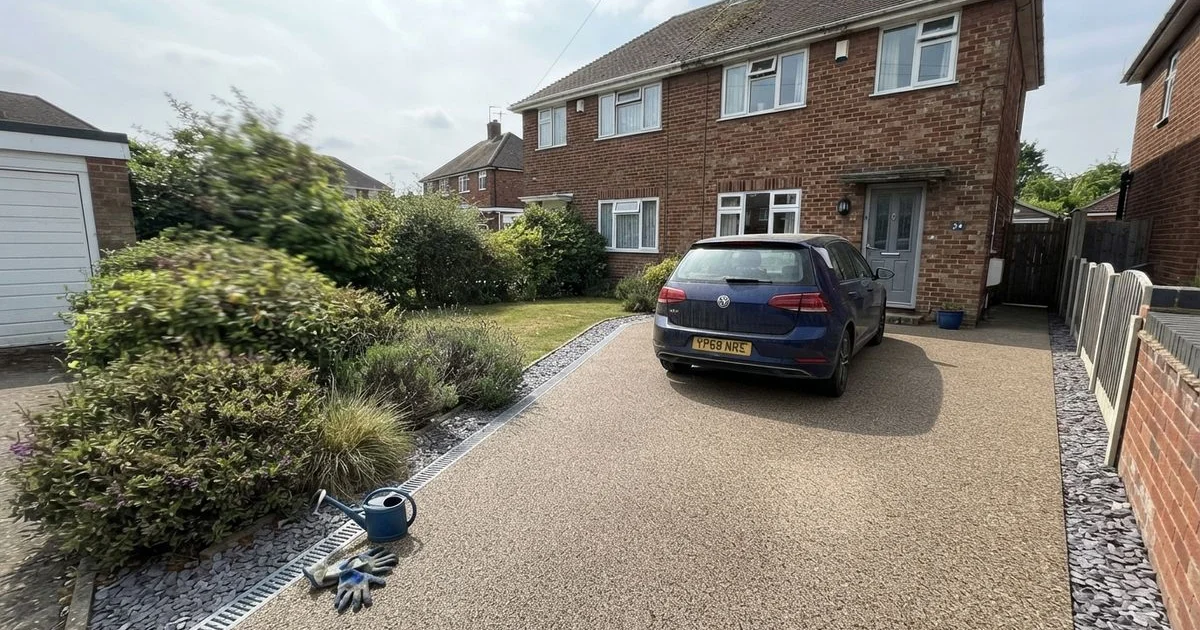
Since 2008, front garden hard surfacing over 5 square metres in England has needed planning permission unless the surface is permeable, or the water it sheds is directed to a lawn, border or soakaway rather than running off toward the road. This rule exists because hard, non-permeable surfaces contribute to surface water flooding, particularly in built-up areas where drainage systems are already under pressure.
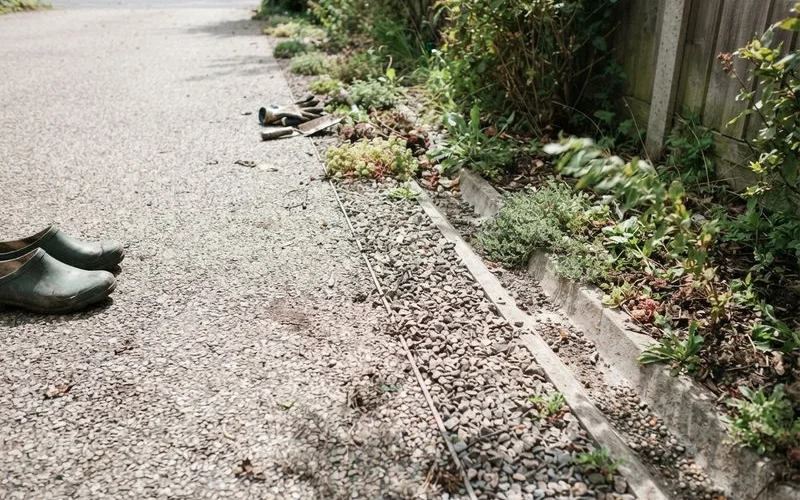
In practice, this means most standard driveway projects avoid needing a full planning application simply by choosing a permeable material, like gravel or block paving laid with open, permeable joints, or by including a soakaway that takes the water away from the highway. Tarmac and standard mortar-jointed block paving are generally not permeable, so a driveway using either of those materials, over 5 square metres, typically does need either permission or an appropriate drainage solution designed in from the start.
Where dropped kerbs fit in
A dropped kerb, the lowered section of kerb that lets a vehicle cross from the road onto a driveway, is a separate matter from the surfacing rule above. Because it involves altering the public highway, it needs approval from the local council regardless of what surface material you’re using. This process can take longer than the paving work itself, so it’s worth starting early if your project involves creating a new vehicle access point rather than using an existing one.
Paving contractors who work regularly on driveway projects often have experience with this application process and can advise on what’s needed, though the approval itself comes from the council, not the contractor.
When permission is more clearly required
A few situations move outside permitted development more definitively and are worth checking directly with your council: if your property is listed, if it sits within a conservation area, or if the driveway work is part of a wider change to the property, like a new access point that affects a boundary wall or hedge with any protection status. Cheltenham has a number of conservation areas across its Regency-era streets, so it’s worth a quick check with the council if your property falls within one before assuming permitted development applies.
A quick reference
| Situation | Planning permission generally needed? |
|---|---|
| Permeable surface (gravel, permeable block paving) under 5 sq m or over with proper drainage | No |
| Non-permeable surface (tarmac, standard block paving) over 5 sq m with no soakaway or drainage plan | Yes |
| New dropped kerb for vehicle access | Yes, council approval required regardless of surface type |
| Property is listed or in a conservation area | Check with the council; permitted development may not apply |
Getting it right from the start
The simplest way to avoid a planning problem is to build the drainage question into your driveway plans from day one rather than treating it as an afterthought. Ask your contractor directly whether the material and layout they’re proposing is permeable or includes adequate drainage, and get that confirmed in writing as part of the quote. If a dropped kerb is part of the project, ask who handles the council application and how long it typically takes locally. Planning consent is only one part of the picture: our guide on who is liable if a paving contractor damages your property covers what public liability insurance is meant to cover once work is under way.
For groundworks and drainage-specific work alongside a driveway project, look for a contractor with relevant experience handling permits and permeable surfacing, and check our methodology to see how we assess that track record. Browse the full directory of local paving contractors from the Know Cheltenham home page.
FAQ
- Do I always need planning permission for a new driveway?
- No. Most driveways fall under permitted development and don't need an application, provided the surface is permeable or water is directed to a soakaway rather than the road. Permission is generally only needed when the surface is non-permeable and covers more than 5 square metres with no separate drainage provision.
- What counts as a permeable surface?
- Gravel, permeable block paving with open joints, and properly laid resin bound surfacing are commonly accepted as permeable. Standard tarmac and mortar-jointed block paving are not, unless water is directed away to a lawn, border or soakaway rather than running off toward the street.
- Do I need council permission for a dropped kerb?
- Yes, a dropped kerb onto a public road needs approval from the local council, since it involves altering the public highway. A contractor experienced in driveway work can often advise on or handle the application, but it is worth budgeting extra time for it separately from the paving work itself.
- What happens if I lay a non-permeable driveway without permission?
- The council can require it to be altered or removed, and this can also cause issues if you later come to sell the property, since conveyancing checks sometimes flag unauthorised hard surfacing. Getting this right before work starts avoids a costly correction later.