Who is liable if a paving contractor damages your property
By Ethan Fischer · Updated 2026-07-02
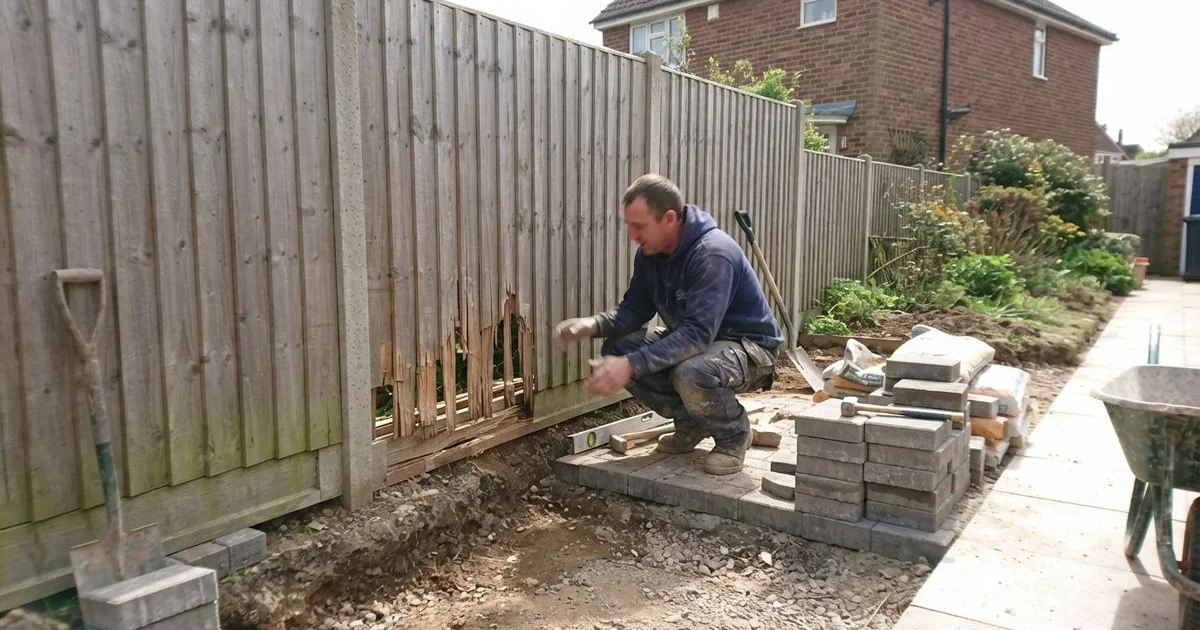
This is general information, not legal advice. If you’re dealing with a genuine damage dispute or a significant sum is involved, get independent advice specific to your situation.
Most driveway and patio jobs finish without any property damage beyond the intended work. But paving involves heavy materials, machinery, and work carried out close to boundaries, walls and neighbouring properties, so it’s worth understanding where responsibility sits before a problem arises rather than figuring it out after the fact.
The general principle
A contractor is responsible for damage caused by their work, whether that’s to your own property beyond the area being paved, a shared boundary wall, or a neighbour’s car parked nearby. This is what public liability insurance exists to cover, and any contractor operating professionally should hold a current policy and be willing to confirm it if asked.
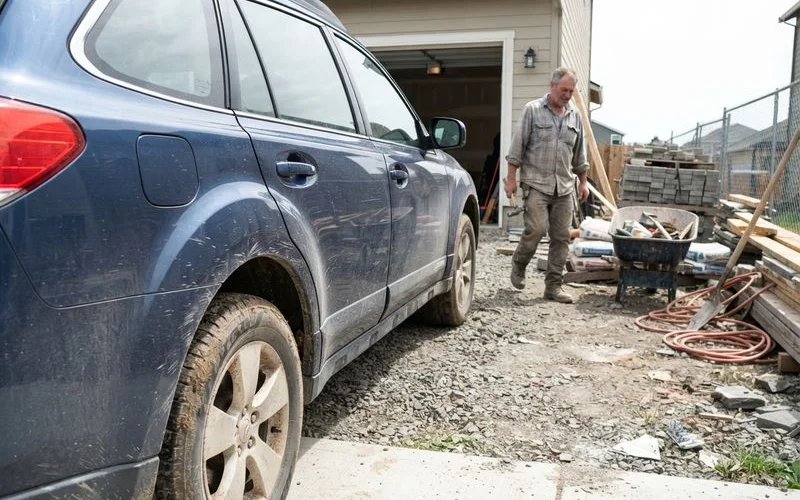
Feedback on local paving work includes at least one documented case of vehicle spray damage during a job, a reminder that even generally well-regarded contractors can cause incidental damage, and that how they respond afterwards matters as much as the incident itself. A contractor who handles it promptly and fairly is a very different experience from one who goes quiet once a problem is raised.
What public liability insurance actually covers
Public liability insurance protects against claims for injury or damage to third parties, people and property that aren’t the contractor’s own, arising from their work. It’s what would cover a cracked neighbouring driveway from vibration, spray damage to a parked car, or an injury to someone passing the site. It generally does not cover disputes about the quality of the paving work itself, that’s a separate matter of workmanship and contract, so it’s worth understanding the difference if something goes wrong.
Ask to see evidence of current public liability cover before work starts. A legitimate contractor should be able to provide this without hesitation, and it’s a reasonable thing to request alongside a written quote.
If damage happens
Photograph the damage as soon as you spot it, noting the date and, if relevant, which part of the work was happening at the time. Raise it with the contractor directly and promptly rather than waiting, since a delay makes it harder to connect the damage clearly to the work and can make a contractor less willing to take responsibility. Most reputable contractors will either repair the damage themselves or arrange for a repair through their insurance without a lengthy dispute.
If a neighbour’s property is affected, they should raise it with the contractor directly too, since it’s the contractor’s liability, not yours, even though the work is happening at your address.
Who’s responsible for what
| Situation | Generally responsible |
|---|---|
| Contractor’s machinery damages your driveway or garden beyond the agreed work | Contractor, via public liability insurance |
| Spray, dust or debris damages a neighbour’s car or property | Contractor, via public liability insurance |
| Contractor accidentally strikes an underground pipe or cable | Contractor, though costs can be disputed if not properly checked for beforehand |
| Paving work itself fails or is poor quality | Contractor, as a workmanship issue, separate from public liability cover |
| Damage caused by pre-existing property issues unrelated to the work | Usually the homeowner’s own responsibility |
Reducing the risk before work starts
Ask about public liability cover as a standard part of getting quotes, note down the contractor’s details clearly, and mention to close neighbours that work is happening, particularly if machinery access runs near a shared boundary or parking area. None of this guarantees nothing will go wrong, but it means you and any affected neighbour have a clear, documented starting point if something does. If the project also needs a dropped kerb or falls under the front-garden drainage rules, our guide to planning permission and drainage rules for driveways covers those approvals, which sit alongside contractor liability rather than instead of it.
Our methodology weighs how contractors are described handling problems that come up during a job, not just the finished result. Compare local paving contractors through the Know Cheltenham directory before you hire.
FAQ
- Am I liable if a contractor damages my neighbour's property while working at my house?
- Generally no, the contractor is responsible for damage they cause, and their public liability insurance should cover it. That said, it helps to let neighbours know work is happening in advance, and to keep the contractor's details handy in case a claim needs to be made directly to them.
- What is public liability insurance and why does it matter here?
- It covers a contractor's costs if their work causes injury to someone or damage to property that isn't theirs, including a neighbour's car, a shared wall, or your own home beyond the paving itself. Ask to see proof of cover before work starts, and confirm the policy is current.
- What should I do if I notice damage during or after the work?
- Photograph it as soon as you notice it, note the date, and raise it with the contractor directly and promptly. Most reputable contractors will arrange a repair or compensation without dispute, particularly if it's reported quickly rather than weeks later.
- What if the contractor refuses to take responsibility?
- If direct communication doesn't resolve it, options include a formal written complaint, checking whether they belong to a trade body with a dispute resolution service, or, for a claim of real value, seeking independent advice on a small claims process.