Site safety during driveway and patio work: what a professional job looks like
By Ethan Fischer · Updated 2026-07-06
This is general information about site safety practices, not a substitute for professional health and safety advice. If you have specific concerns about a site, raise them directly with the contractor or, where relevant, the local council.
Driveway and patio work involves excavation, heavy machinery, and materials stored on site for several days, all right next to a home where people, children and pets are moving around. Most jobs run without incident, but a small number of complaints about paving contractors locally describe exactly the kind of site management gone wrong that a bit of upfront awareness can help you spot and avoid.
What safe site management actually looks like
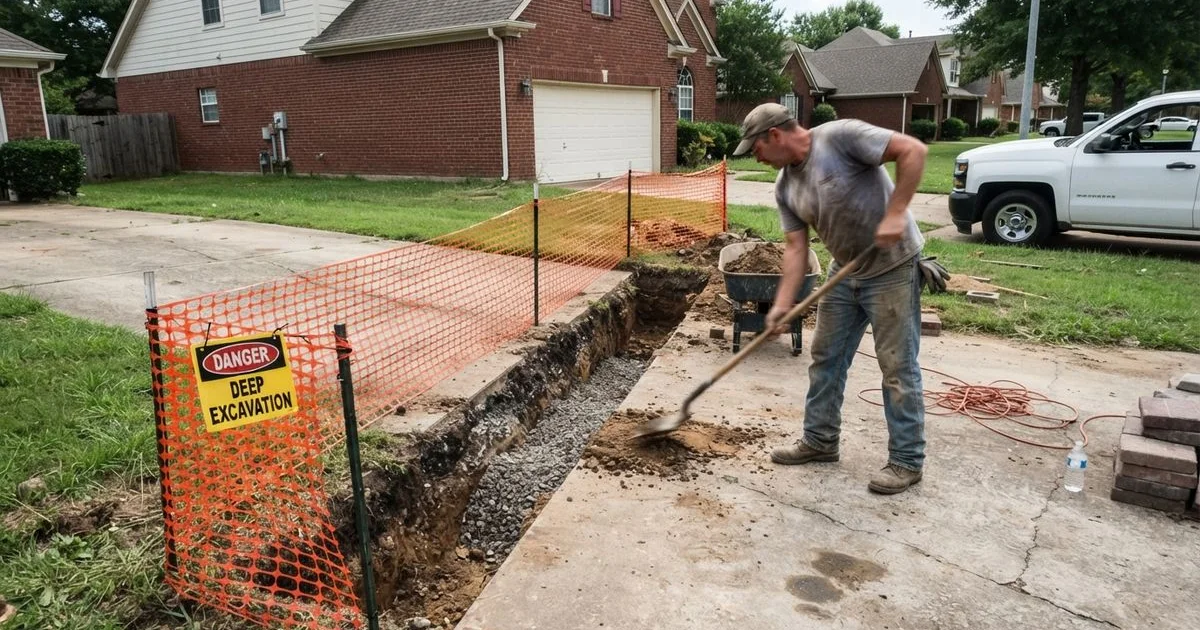
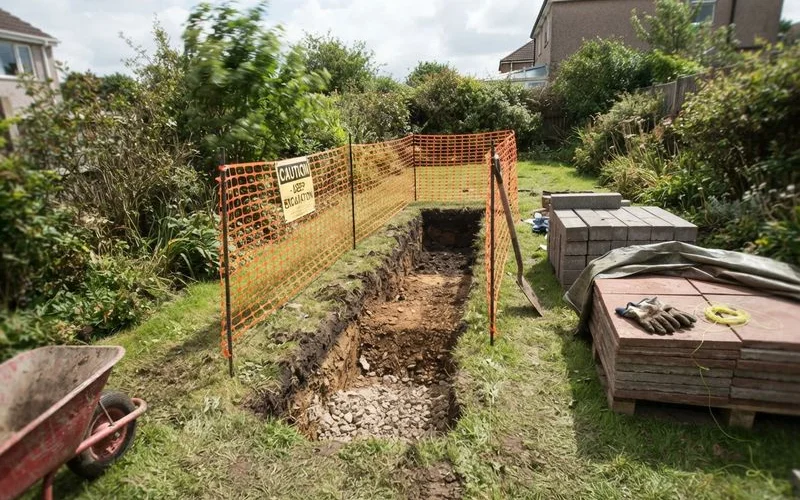
A properly run site keeps excavated trenches fenced, covered or otherwise made safe whenever they’re not being actively worked on, including overnight. Materials, particularly stacked kerbstones, slabs or aggregate, should be stored tidily and not left where they could be knocked over or block a public pavement. If the job affects the pavement or verge outside your property, the crew should have taken reasonable steps to keep pedestrians safe, not just left it to chance.
A tidy, organised site each evening, rather than a mess that accumulates until the final day, is one of the clearest signals of a professional crew. Reviewers consistently point to daily site cleanup as one of the things that separates a contractor they’d recommend from one they wouldn’t, and it tends to correlate with how carefully the rest of the job is handled too.
The warning signs to watch for
An exposed, unfenced trench, particularly one left overnight or over a weekend without any barrier, is a genuine hazard, not a minor inconvenience. Local feedback on paving work has flagged exactly this: excavations left open for extended periods without fencing or the appropriate permits, which is both a safety risk and, where public pavement is involved, potentially a compliance issue with the council.
Materials blocking a public road or pavement, machinery left running or unattended near where children play, and a crew that seems unconcerned about pets or family members moving through the work area are all signs worth raising directly and immediately, not waiting to mention at the end of the job.
Questions worth asking before work starts
Ask how the site will be secured overnight and during any pause in the work, particularly if excavation is involved. Ask whether they’ve checked for underground services like gas, water or electrical cables before digging, since striking one is both dangerous and can cause serious additional cost and delay. If pets or young children are part of your household, mention it directly and ask how the crew plans to manage access to the work area during the day.
A quick checklist
| What to check | What good practice looks like |
|---|---|
| Open trenches or excavation | Fenced, covered, or otherwise secured whenever unattended |
| Materials storage | Stacked tidily, not blocking pavements or access routes |
| End-of-day site condition | Tidy and reasonably safe to leave, not scattered debris |
| Underground services | Checked before digging begins |
| Household pets or children | Contractor has a clear answer for managing site access |
| Public pavement or highway impact | Steps taken to protect pedestrians, permits obtained where needed |
If something doesn’t look right
Raise it with the contractor directly and as soon as you notice it, rather than waiting until the job is finished. A professional crew should respond to a safety concern promptly and without defensiveness. If a genuine hazard isn’t addressed, particularly anything affecting a public pavement, contacting the local council’s highways team is a reasonable next step.
Slip and trip risk doesn’t end once the crew leaves either: our guide on choosing safer paving surfaces covers how surface choice and upkeep affect risk long after the job is finished.
Site conduct is one of the signals we weigh when assessing local contractors on our methodology page. Browse the wider directory of Cheltenham paving contractors from the Know Cheltenham home page to compare track records before you hire.
FAQ
- Should an open trench on my driveway be fenced off?
- Yes, any excavation left open, particularly overnight or for more than a few hours during the day, should be fenced or otherwise protected so it isn't a trip or fall hazard to you, your family, or anyone walking past on the pavement.
- Is it normal for excavation to be left open for more than a day?
- Sometimes, if weather or a delivery delay pushes the schedule back, but it shouldn't be left unprotected. A professional crew will fence, cover or otherwise secure an open trench for as long as it's exposed, not just on the day it's dug.
- What should I ask about before work starts?
- Ask whether the contractor is aware of any underground services, gas, water, or cables, at your property, and how they plan to manage the site if children or pets are around. A contractor who's asked this before should have a clear answer ready.
- Does a driveway job need any specific permits for safety reasons?
- Work affecting a public pavement or involving a dropped kerb usually needs council notification or permission, partly for safety reasons around protecting pedestrians during the work, separate from any planning permission needed for the surfacing itself.