Best time of year to lay a driveway or patio
By Ethan Fischer · Updated 2026-07-09
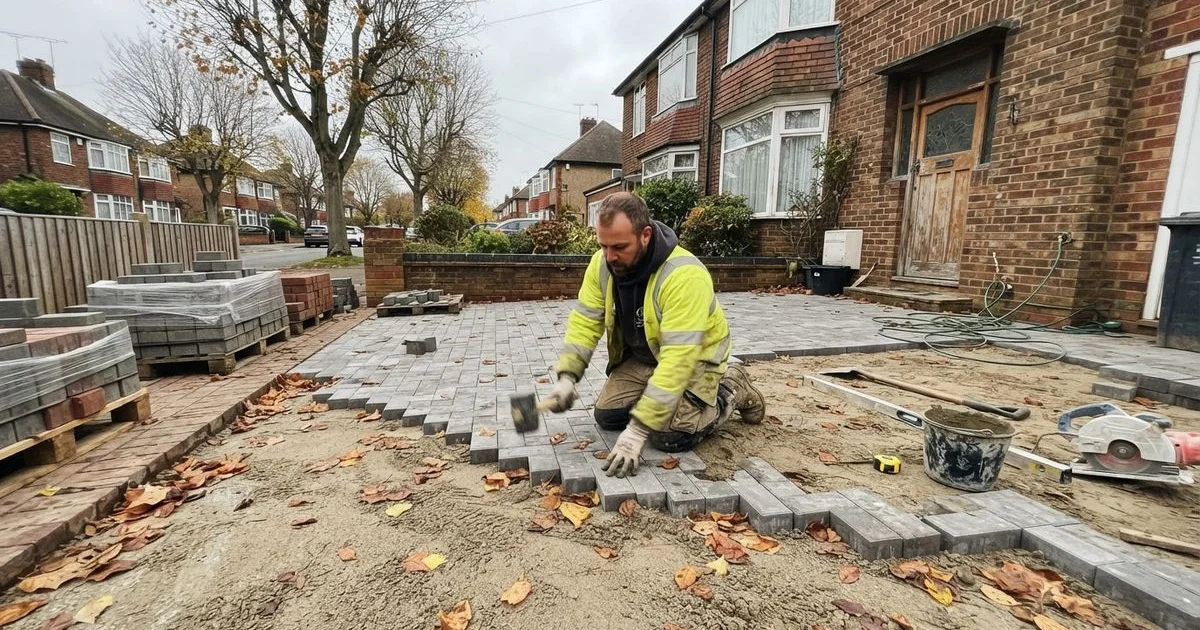
There’s no single perfect month to lay a driveway or patio, but the time of year genuinely affects how the work goes, how long it takes, and sometimes how easily you can get a contractor booked in. Planning around this rather than just picking a date at random can save both hassle and money.
Why weather matters more than people expect
Paving work depends on the ground being workable and the materials curing properly, both of which are weather-sensitive. Heavy or prolonged rain makes excavation messy and can prevent proper compaction of the sub-base, since compacting waterlogged ground doesn’t achieve the density needed for a stable foundation. Hard frost can affect tarmac laying and slow the curing of resin bound surfaces, and very cold temperatures generally aren’t ideal for any bedding or jointing work.
This doesn’t mean paving can’t happen outside the warmer months. It means a competent contractor will assess ground conditions on the day and, if necessary, explain that the schedule needs to flex around the weather rather than push ahead regardless. A contractor who insists on laying tarmac or resin during genuinely unsuitable conditions is cutting a corner that tends to show up later as a quality problem.
The practical trade-offs by season
Spring and early summer are popular for a reason: milder, more predictable weather generally makes for smoother, faster jobs, and gardens are heading into the season where you’ll actually use a new patio. The trade-off is that this is also when contractors are busiest, so lead times stretch and you may need to book well in advance.
Autumn can be a good window, often with reasonable weather still and less competition for contractor availability than the spring rush. Winter jobs are entirely possible for driveways in particular, since the work is less about enjoying the space immediately and more about function, though you should expect a contractor to be upfront about weather-related delays and possibly a longer overall timeline.
Patios versus driveways
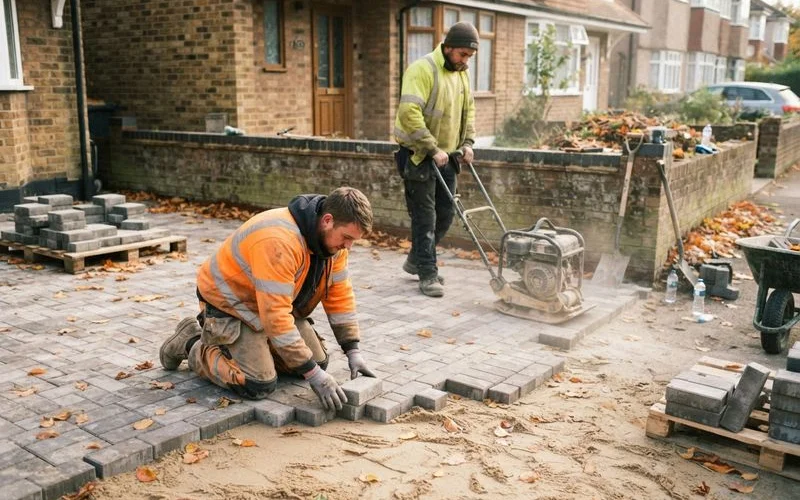
Timing matters slightly differently depending on what you’re having done. A patio is something you’ll want to use as soon as it’s finished, so many people time the work for spring, ready for summer use. A driveway is functional year-round, so the seasonal pressure to finish before a specific date is usually lower, which can make autumn or winter a practical time to get it done while demand, and sometimes price, is a little easier.
A seasonal at-a-glance guide
| Season | What to expect |
|---|---|
| Spring | Popular booking period; milder weather generally supports smooth work; longer lead times |
| Summer | Good working conditions for most materials; extreme heat can occasionally affect resin and tarmac curing |
| Autumn | Often still reasonable weather with less competition for contractor availability |
| Winter | Possible, especially for driveways; frost and wet ground can cause delays; discuss timeline flexibility upfront |
Frost and freshly laid surfaces
New paving needs a settling-in period regardless of the season, but frost shortly after installation deserves particular care. Freshly laid mortar joints and jointing sand haven’t fully cured in the first few weeks, and repeated freeze-thaw cycles during that window can loosen material that would otherwise bind properly. If you’re having work done heading into a cold spell, ask your contractor how they plan to protect the surface while it beds in, and whether the timeline should shift slightly to avoid the worst of it.
This matters most for jobs finished in late autumn or early winter, since the surface is still young going into the coldest months. A contractor with genuine local experience should be able to talk you through this without prompting, since it’s a predictable part of working through a British winter rather than an unusual complication. Our guide on why driveways crack, sink or pool water goes into more detail on how a base that hasn’t had time to settle properly leads to exactly this kind of damage.
Planning around the calendar
If you have a specific season in mind, particularly spring, book well ahead since good local contractors fill up their calendars early for the busiest months. If your project is more about function than a specific finish date, consider autumn or winter, when you may find more availability and, in some cases, more competitive quotes.
Whenever you plan the work, ask your contractor directly how they handle weather-related delays and whether that affects the price if the job runs longer than expected. You can compare local paving contractors and their availability through Know Cheltenham, and see how we assess reliability and communication on our methodology page.
FAQ
- Can paving work be done in winter?
- Yes, but frost, waterlogged ground and shorter daylight hours can slow things down and, in the case of hard frost, halt certain stages like laying tarmac or curing resin. A good contractor will explain how weather might affect your specific job before booking it in.
- When are contractors busiest, and does that affect price?
- Spring and early summer tend to be the busiest booking periods, since many people plan outdoor projects for the warmer months. Booking outside that peak, in autumn or even winter for less weather-sensitive work, can mean shorter lead times and sometimes more competitive quotes.
- Does laying paving in hot weather cause problems?
- It can, particularly for tarmac and resin, which behave differently in high heat. Most contractors are experienced working through a normal summer, but extreme heat can affect curing times and working conditions on site.
- How far ahead should I book if I want work done in spring?
- Several months ahead is sensible if you have a specific season in mind, since reputable local contractors often have a waiting list heading into their busiest period.