Getting your driveway and patio ready before selling your house
By Ethan Fischer · Updated 2026-07-18
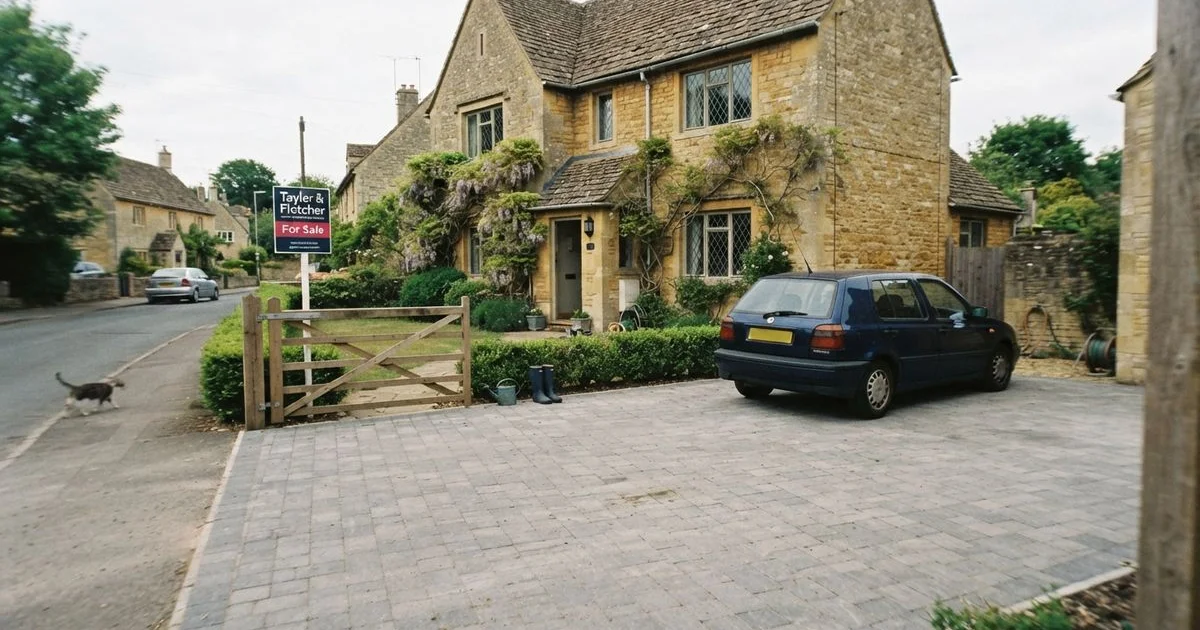
Kerb appeal is a genuinely practical consideration when selling, and a driveway or front patio is one of the first things anyone sees, often before they’ve stepped inside. Whether it’s worth spending money on before listing depends on its actual condition, not just whether it looks a bit tired.
When it’s worth the investment
A driveway or patio that’s clearly failing, sunken sections, standing water after rain, cracked or lifting slabs, is worth addressing before you list. These are the kinds of issues a buyer or their surveyor will notice and may use to negotiate the price down by more than the repair would have cost, since visible drainage or subsidence problems can raise questions about what else has been neglected.
If the surface is simply dated in style rather than genuinely failing, a full replacement isn’t always necessary to make a strong first impression. A clean, well-maintained older driveway can present perfectly well; a cracked, weed-strewn one rarely does, regardless of how good the house looks once you’re through the front door.
Cheaper options before a full re-lay
If budget or time is tight, a full replacement isn’t always the only route. Block paving that’s structurally sound but looking tired often responds well to a pressure wash and re-sanding of the joints, which can transform its appearance for a fraction of a re-lay’s cost. Tarmac with only surface-level wear, faded colour or minor cracking, and a sound base underneath, may only need resurfacing rather than a full dig-out.
Ask a contractor to assess honestly whether your driveway needs a repair, a resurfacing overlay, or a genuine replacement, since these are different jobs at very different price points, and a contractor confident in their assessment should be able to explain clearly which category yours falls into.
Choosing a material that suits the property
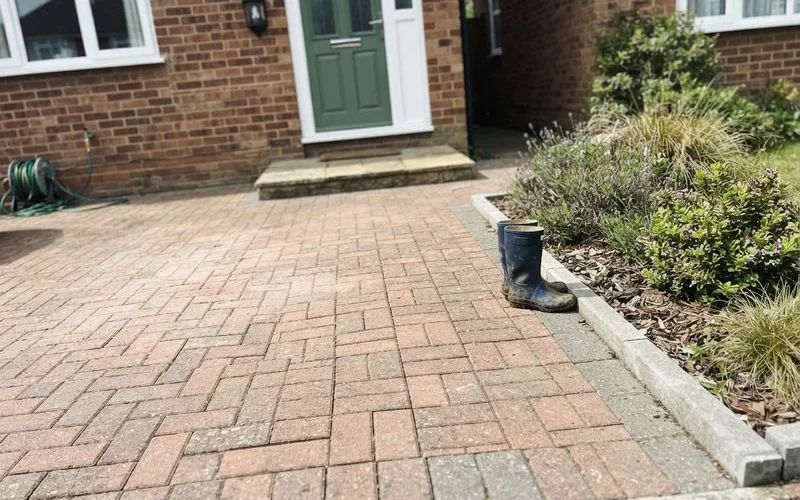
If you do decide a refresh or replacement is worth doing, it’s worth thinking about how the material reads to a buyer walking up for the first time. Block paving in a colour and pattern that suits a period terrace tends to look considered rather than an afterthought, while a clean, uniform tarmac finish often reads better on a newer estate property where a decorative pattern can look mismatched against the rest of the street. Buyers form an impression within seconds of arriving, and a driveway that clashes with the style of the house, even if it’s structurally fine, can quietly undercut the rest of your presentation effort.
This doesn’t mean spending more than necessary. A simple, well-finished surface in a sensible colour will usually outperform a more elaborate pattern that draws attention to itself rather than the house behind it.
Matching the work to your timeline
If you’re planning to list soon, factor in curing time. Tarmac generally needs 24 to 48 hours before it can safely take vehicle weight, and both tarmac and resin surfaces look and perform best once fully cured, which can take longer. Getting the work done a few weeks ahead of listing, rather than the week before, gives time for any snagging to be sorted and for the surface to settle properly before viewings start. Timing the work around the season affects this too: our guide on the best time of year to lay a driveway or patio covers how weather affects lead times and curing.
Weighing the options
| Driveway condition | Suggested approach |
|---|---|
| Cracked, sinking, or pooling water | Get inspected; likely needs proper repair or replacement before listing |
| Structurally sound but dull or stained | Pressure wash and re-sand joints; often enough to refresh appearance |
| Tarmac with surface wear only | Resurfacing overlay, cheaper than a full dig-out |
| Dated style but in good condition | Consider leaving as is; focus budget elsewhere |
| No driveway, gravel or grass frontage | Weigh cost of adding one against likely buyer expectations in the area |
A practical starting point
Get an honest assessment before committing to any spend. A driveway that only needs a clean and re-sand doesn’t need the budget of a full replacement, and spending on a genuine structural problem is a better use of funds than a cosmetic refresh that leaves the underlying issue for the next owner, and potentially the survey, to find.
Compare local contractors who can assess and quote for repair versus replacement through Know Cheltenham, and see how we weigh workmanship evidence on our methodology page.
FAQ
- Is it worth replacing a driveway before selling my house?
- It depends on its condition. A driveway that's genuinely failing, cracked, sinking or holding water, is worth addressing since it's one of the first things a viewer sees. A driveway that's simply dated but structurally sound often doesn't need a full replacement to make a good impression.
- What's a cheaper alternative to a full driveway replacement?
- A pressure wash and re-sanding of joints on block paving, or a resurfacing overlay on tarmac where the base is still sound, can significantly improve appearance for a fraction of a full replacement's cost. Ask a contractor to assess whether your existing surface is a repair or replace situation.
- Should I match the driveway material to the style of the house?
- It's worth considering, since buyers form an impression quickly. A driveway that suits the property's age and style, block paving for a period terrace, or a clean tarmac finish for a modern build, tends to read as more deliberate than one that clashes.
- How far in advance of listing should I get driveway work done?
- Ideally a few weeks, since newly laid surfaces, particularly tarmac and resin, need time to cure and settle before they look and perform at their best, and you want any snagging issues sorted before viewings start.