How long block paving takes and what affects the timeline
By Ethan Fischer · Updated 2026-06-22
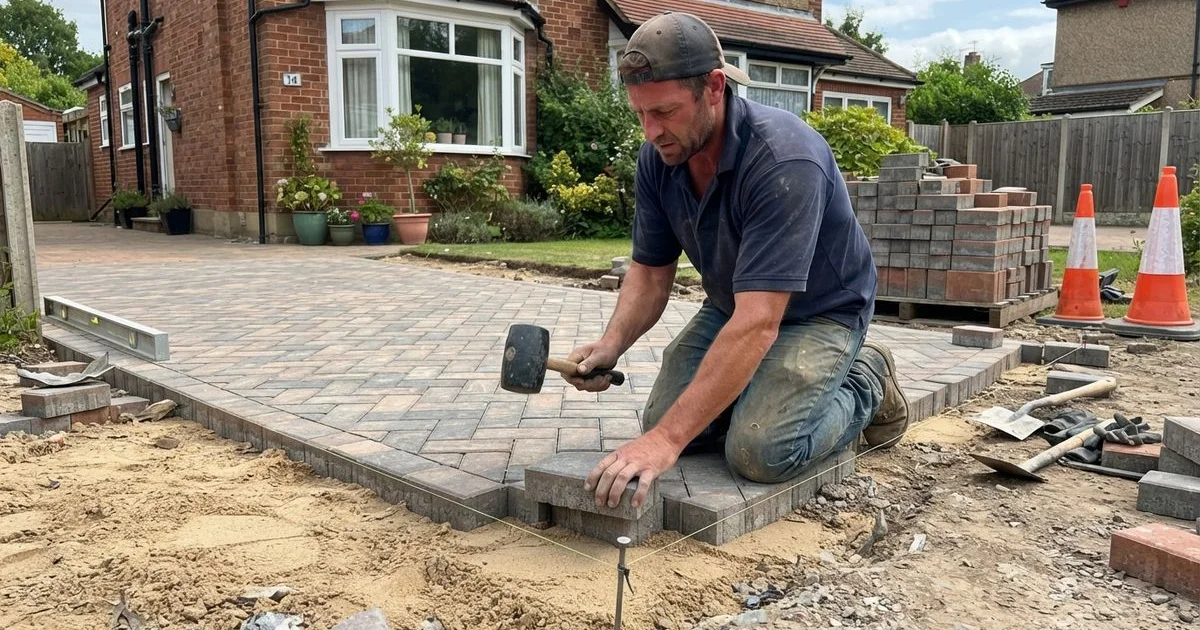
Block paving has a reputation as one of the quicker driveway surfaces to install, and for a straightforward job that’s usually true. But “quick” still means several full working days on site, and the timeline can shift depending on what the crew finds once they start digging, not just how big the area is.
Knowing roughly what to expect, and why, makes it easier to plan around the work: arranging alternative parking, warning neighbours if access might be tight, and spotting early if a job is taking noticeably longer than it should without a clear reason.
The stages, and how long each usually takes
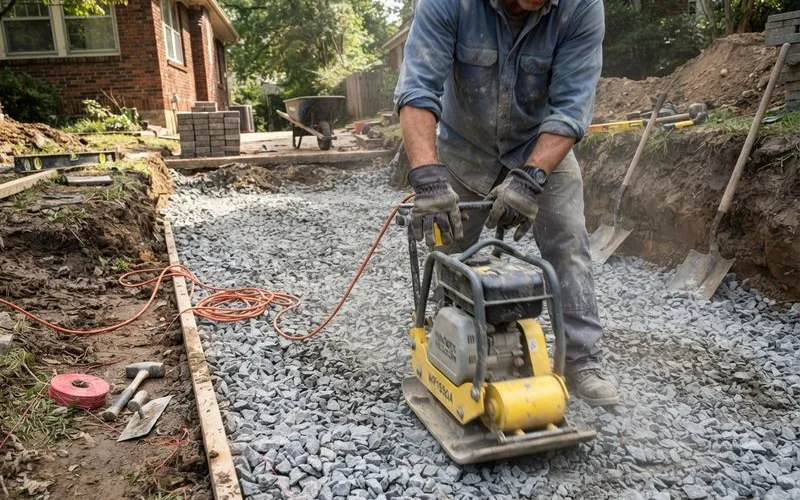
A block paving job breaks down into a fairly consistent sequence, whether it’s a driveway or a patio area. Excavation to the correct depth and removal of the old surface or spoil typically takes half a day to a full day on a standard-sized driveway. Laying and compacting the sub-base, usually MOT Type 1 or similar, in layers rather than one pass, takes another day or so, since proper compaction needs to happen in stages to actually work.
Edge restraints go in next, haunched with concrete to stop the blocks creeping outward over time, followed by the sand bedding layer and then the blocks themselves, laid to falls so water runs off correctly. Jointing sand is brushed in and compacted, often with a final pass a day or two later once everything has settled slightly. Reviewers of local block paving work frequently mention crews finishing sizeable jobs, including 300 square metres of preparation and laying, within about 10 days, and standard driveways in as little as two days when conditions are good and the crew is experienced.
What actually stretches the timeline
Weather is the most common cause of delay, since compaction and jointing don’t hold up well if it’s actively raining, and a contractor pushing ahead regardless is more of a warning sign than a sign of good service. Ground condition is the other big variable: if excavation reveals the existing base is worse than expected, contains old foundations, or has drainage that needs redesigning, that adds time that wasn’t in the original estimate.
Crew size and experience matter as well. A larger, more established team can often run several stages in parallel, excavating one section while compacting another, whereas a smaller crew working alone tends to move through each stage sequentially, which is a legitimate way to work but takes longer for the same result.
Adding scope partway through, like deciding to include new edging, extra drainage, or matching a driveway into a patio area, is common and reasonable, but it does extend the job. A contractor who flags this clearly as it comes up, rather than after the fact, is easier to plan around.
A realistic timeline for a standard driveway
| Stage | Typical duration |
|---|---|
| Excavation and old surface removal | Half a day to a full day |
| Sub-base laid and compacted in layers | 1 day |
| Edge restraints and haunching | Half a day |
| Blocks laid and bedded | 1 to 2 days |
| Jointing sand, compaction, final check | Half a day, sometimes a follow-up visit |
| Total for a standard two-car driveway | 3 to 5 working days |
Setting expectations before work starts
Ask for a written timeline as part of the quote, including what happens if weather pushes things back. A contractor confident in their process will usually give a realistic range rather than an optimistic best-case figure, and will explain upfront if your specific site, tight access, an unusually large area, or drainage that needs extra work, is likely to run longer than a standard job.
If you’re comparing quotes and one timeline looks dramatically shorter than the others for a similar-sized job, it’s worth asking exactly what’s included, since a compressed schedule sometimes means fewer compaction passes rather than a genuinely faster crew. For the full stage-by-stage rundown, from the first site visit to the final walkthrough, see our guide to what to expect during a driveway installation.
Browse Cheltenham’s block paving specialists to see contractors working in this category, and see how we assess workmanship evidence on our methodology page. The wider directory of local paving contractors is available from the Know Cheltenham home page.
FAQ
- How long does a standard driveway take to block pave?
- A typical two-car driveway, laid over ground that doesn't need major clearance, usually takes three to five days from breaking ground to the final compaction and jointing sand. Larger or more complex layouts can take longer.
- Why do some jobs finish faster than the timeframe I was quoted?
- Experienced crews with the right plant and enough people on site can sometimes complete work in less time than a more cautious estimate allows for, particularly if the ground condition turns out better than expected once excavation starts.
- What causes a block paving job to overrun?
- Poor weather, discovering the sub-base or an old surface is in worse condition than expected once digging starts, or drainage and kerb work being added to the job partway through are the most common causes of a longer timeline.
- Can I still use my driveway while the work is happening?
- No, not for vehicles. The area needs to stay clear during excavation and compaction, and newly laid block paving needs time to settle before it can safely take a car's weight, so plan on alternative parking for the duration.