What to expect during a driveway installation, step by step
By Ethan Fischer · Updated 2026-06-18
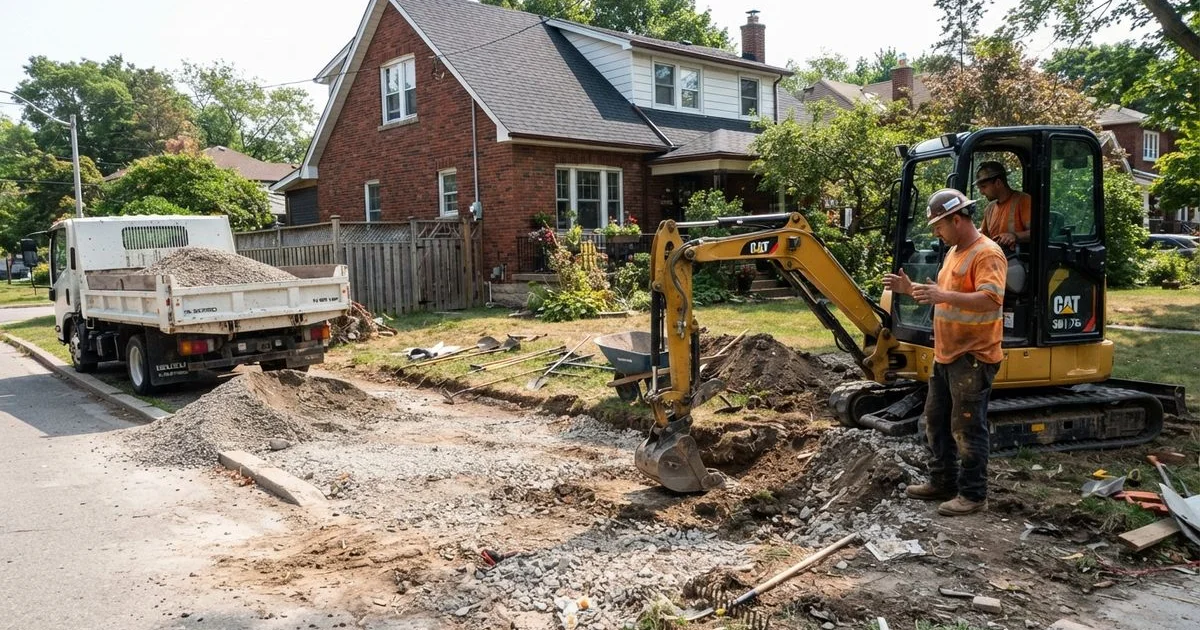
Having a new driveway laid is disruptive in a way that’s easy to underestimate if you haven’t been through it before. Machinery on site, no vehicle access for several days, and a fair amount of noise and dust are all part of a normal job. Knowing what should happen at each stage makes it easier to tell a well-run job from one that’s cutting corners.
Before anything is dug up
A proper job starts with a site visit, not just a phone quote. The contractor should measure the area, check ground condition, note where water currently drains, and discuss material options based on what suits the site rather than just what you initially asked for. This is also when drainage and access should come up, including whether a dropped kerb or soakaway is needed and whether council permission applies.
You should come away from this stage with a written quote that separates labour, materials and any groundwork, along with a proposed start date and a realistic timeframe for the whole job.
Excavation and groundwork
Work usually begins with excavating the area to the correct depth and removing the old surface and any unsuitable ground underneath. This is the messiest and often noisiest stage, with a skip or a lorry to cart away spoil generally arriving in the first day or two.
Once the ground is dug out, the sub-base goes in, typically a compacted hardcore layer laid and compacted in stages rather than all at once. This is genuinely the most important stage of the whole job, even though it’s the least visible in the finished result, since it’s what determines whether the driveway lasts decades or fails within a few years.
Edging, laying and finishing
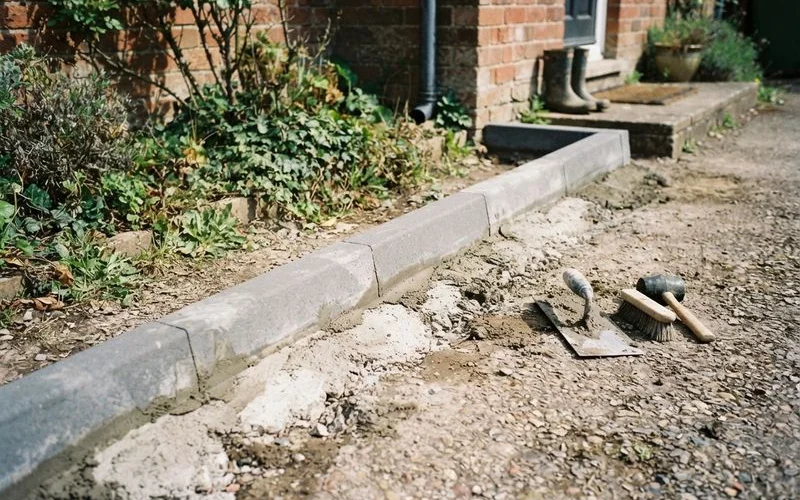
Edge restraints go in next to hold the surface in place and stop material creeping outward over time, followed by the surface itself, whether that’s tarmac, block paving, resin or another material, laid to a fall so water runs off correctly rather than pooling. For block paving, this includes a sand bedding layer, the blocks laid to pattern, then jointing sand brushed in and compacted.
A competent crew checks falls with a level throughout, not just at the end, and should tidy the site daily rather than leaving debris and materials scattered until the final day. Site cleanliness during the job is one of the clearest signals of how a contractor operates, since crews that leave a tidy, safe site each evening tend to be the same ones that produce a well-finished result.
The final walkthrough
Before the crew leaves for good, they should walk the finished driveway with you, point out any features like matched drainage covers or custom edging, and confirm the curing time before it’s safe to park on. This is your chance to raise anything that doesn’t look right while the team is still there to address it, rather than after they’ve moved on to the next job.
A typical driveway installation, stage by stage
| Stage | What happens |
|---|---|
| Site visit and quote | Measurements taken, drainage assessed, written quote provided |
| Excavation | Old surface and unsuitable ground removed |
| Sub-base | Hardcore laid and compacted in layers |
| Edging | Restraints installed to hold the surface in place |
| Surface laid | Tarmac, block paving or resin laid to correct falls |
| Finishing | Jointing, final compaction, site clean-up |
| Walkthrough | Contractor and homeowner check the finished job together |
Getting ready for the work
Move vehicles well clear of the site before the start date, and let the contractor know about anything they might not see on a first visit, like a buried cable, a septic tank cover, or a neighbour who’ll need forewarning about noise. A contractor who communicates clearly at each stage, especially if something unexpected comes up during excavation, is doing exactly what they should.
You can browse Cheltenham’s driveway paving specialists and see how contractors are scored on our methodology page. The full directory of local paving contractors is available from the Know Cheltenham home page.
FAQ
- Do I need to be home during the installation?
- Not for every day of the job, but it helps to be around for the initial site setup and for the final walkthrough so you can check the finish and raise anything you're unsure about while the crew is still on site.
- Will I have access to my house during the work?
- Usually, yes, though the driveway itself will be out of use for vehicles for most of the job and while the new surface cures. Ask the contractor how they'll keep a path to your front door clear, especially if you have deliveries or visitors expected.
- How soon can I park on a new driveway?
- This depends on the surface. Tarmac generally needs 24 to 48 hours to cure before it can take a vehicle's weight, block paving needs the jointing to fully settle, and resin has its own curing time. Ask your contractor for a specific date rather than assuming it's ready as soon as it looks finished.
- What if the crew finds a problem partway through, like an old drain or poor ground?
- A competent contractor should stop and explain what they've found, what it means for the timeline or cost, and how they plan to handle it, rather than pushing on and hoping it doesn't matter.